
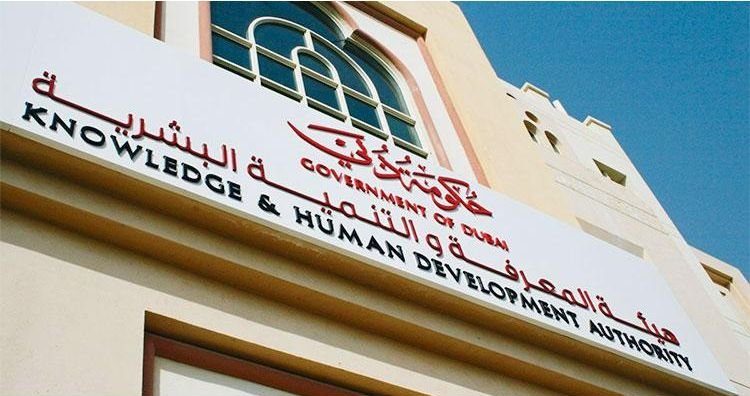
The Knowledge and Human Development Authority (KHDA)
Introduction
The Knowledge and Human Development Authority (KHDA) is the regulatory body for private education in Dubai, overseeing institutions from early childhood centers through universities. Established to uphold and enhance quality standards, KHDA plays a pivotal role in positioning Dubai as a world-class education hub .
History & Mandate
Founded in December 2006, KHDA was created to address the rapid growth of private education in Dubai and ensure consistent standards across diverse providers. Its primary mandate is to licence, accredit, and inspect all private education institutions, providing transparency and accountability to families, educators, and investors .
Core Functions
Inspection and Rating
Through its Dubai Schools Inspection Bureau (DSIB), KHDA conducts annual evaluations of schools and publishes detailed inspection reports. Ratings range from “Outstanding” to “Unsatisfactory,” enabling parents to make informed decisions .
Accreditation and Licensing
KHDA sets the entry criteria for new schools, universities, and training centres, granting licences only to institutions that meet rigorous quality benchmarks.
Policy and Strategy
The authority develops education policies, strategic plans, and sector-wide initiatives to drive continuous improvement and innovation in teaching, learning, and leadership.
Accreditation & Inspections
KHDA’s accreditation framework covers curriculum quality, teaching effectiveness, student outcomes, leadership, and governance. Inspections involve classroom observations, stakeholder interviews, and analysis of performance data. Published reports highlight strengths, areas for improvement, and recommended actions, fostering a culture of transparency and excellence .
Strategic Initiatives
Dubai Future Districts: KHDA partners with government and industry to pilot smart learning environments.
Teacher Licensing: A professional standards framework ensures that educators possess both qualifications and demonstrated pedagogical skills.
Inclusion and Wellbeing: Programs support students with special educational needs and promote mental health awareness across schools.
Impact & Recognition
Since its inception, KHDA has driven significant improvements in educational outcomes and institutional accountability. Dubai’s school sector now boasts one of the highest percentages of schools rated “Good” or above in the region, and international universities actively seek KHDA accreditation as a mark of quality and credibility.
Conclusion
By regulating, inspecting, and accrediting private education providers, KHDA ensures that Dubai’s learners receive a high-quality education aligned with global best practices. As Dubai continues to attract families and students worldwide, KHDA’s role remains essential in maintaining trust, fostering innovation, and cementing the emirate’s reputation as a leading education destination.
Categories
Archives
Tags
You May Also Like

In a competitive digital environment, simply having a website or social media presence is no longer enough.To grow sustainably, entrepreneurs...
-
January 20, 2026


6 Essential Qualities of an Outstanding Trainer Training isn’t just about conveying information; it’s about inspiring, supporting, and empowering every...
-
April 28, 2025